
Developer Diary: The War Begins
Full breakdown of PlaySide's "The War Begins" developer diary for War for Westeros. Design goals, campaign vision, RTS mechanics, and what developers say about conquering Westeros.
Introduction to The War Begins
PlaySide Studios' developer diary titled "The War Begins" is the clearest on-camera explanation yet of why Game of Thrones: War for Westeros exists and what problems the team hopes to solve for strategy fans. Unlike a cinematic trailer optimized for spectacle, a developer diary trades explosions for intent: engine lineage, design pillars, and the player fantasy of commanding recognizable houses across a contested map. This guide distills those statements into actionable context for readers tracking the road to launch.
Watch the embedded video above, then use this article as a structured companion. When developers mention conquering Westeros through military campaigns rather than courtroom dialogue trees, that frames expectations for Gameplay Overview coverage. When they reference prior strategy experience and engine heritage, that connects to performance conversations on System Requirements. Diaries are not legally binding feature lists, but they anchor hype to articulated goals.
Design Pillars & Player Fantasy
The diary emphasizes a power fantasy rooted in iconic Game of Thrones imagery: banners on the march, dragons overhead, and the Wall as a looming northern border. PlaySide describes wanting players to feel like rulers making consequential military decisions, not tourists visiting set pieces. That distinction matters for campaign structure — expect objectives tied to territory control, supply lines, and decisive battles instead of purely scripted quick-time events.
Developers also stress accessibility for genre newcomers while retaining depth for veterans. That dual audience appears across wiki guides like How to Play RTS Basics and advanced faction articles. If tutorials onboard gently but skirmish AI scales aggressively, War for Westeros could become a gateway RTS for viewers who know the show but never clicked an RTS icon on Steam.
Campaign & World Structure
Comments about ruling regions and responding to rival houses imply a strategic layer spanning the Map & Locations article scope. Rather than isolated missions, campaigns likely chain battles with map consequences: lost provinces weaken economy, captured capitals unlock elite units, and defensive victories along choke points buy time. The diary's war-room language fits Campaign Walkthrough previews that will document mission order once verified.
Environmental variety ties to Biomes & Battlefields: northern snow, southern fields, coastal approaches. Developers hint that terrain should influence tactics, not just aesthetics. RTS players interpret that as movement penalties, ranged advantages on high ground, or faction-specific bonuses — details still emerging. nonetheless, the diary confirms world readability as a production priority, which helps streamers and newcomers orient quickly during chaotic fights.
Factions, Heroes & Identity
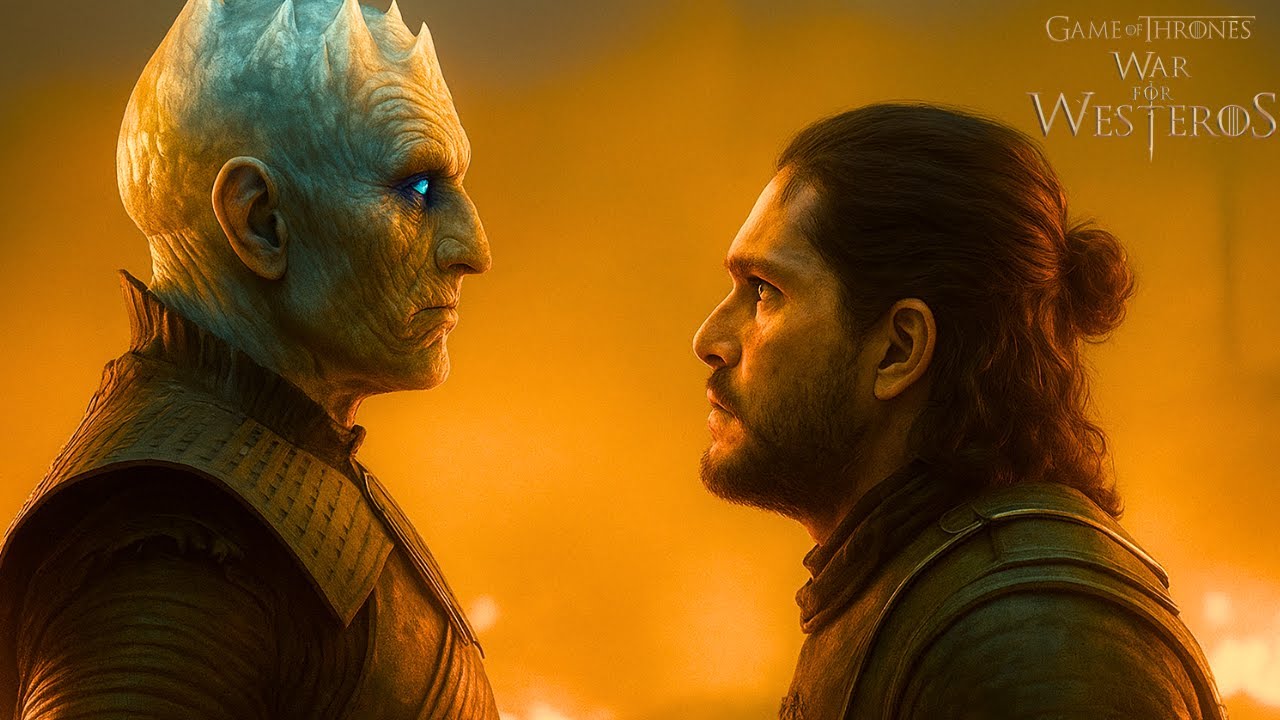
House identity receives explicit attention. Stark honor and resilience, Lannister wealth, Targaryen fire, and the Night King's dread are not cosmetic skins but hooks for differentiated armies. That aligns with our How to Choose Your Faction advice: pick the house whose weaknesses you tolerate and whose strengths you enjoy executing. Hero commanders such as Jon Snow, Tywin Lannister, Daenerys, and the Night King appear as narrative anchors with likely ability kits described further on Heroes.
The diary avoids dumping full ability lists, yet it reinforces that characters lead armies rather than fighting alone in a character action game. Expect hero death or injury to carry battle consequences — wounded commanders retreat, rally troops, or trigger morale swings. Multiplayer implications appear in Multiplayer Overview: recognizable heroes make broadcasts legible even for viewers unfamiliar with deep RTS jargon.
Multiplayer, AI & Long-Term Play
Although marketing still foregrounds campaign fantasy, developers acknowledge skirmish and online potential. AI improvements matter for players who will grind Co-op or practice before ranked play. If alliance systems support temporary truces, the Alliances & Betrayal guide becomes essential reading for diplomatic tempo — when to sign peace to rebuild armies, when to backstab for a capital.
Long-term support questions — DLC, balance patches, mod tools — remain unanswered in this diary. Still, the team's emphasis on replayable conquest suggests they understand RTS longevity depends on stable multiplayer and meaningful faction asymmetry tracked in the evolving Tier List Preview.
What to Do After Watching
Translate diary hype into preparation. Wishlist the game (How to Wishlist on Steam), compare your PC against recommended specs, and read the Official Reveal Trailer Breakdown to align visual evidence with developer quotes. Follow News & Updates for future diaries — audio engineering, UI tours, and multiplayer deep dives often arrive in later videos.
Developer communication is a living thread. Revisit this page when PlaySide publishes sequels; we will append confirmed changes rather than rewriting history. Independent wiki, official sources credited — now you know what "The War Begins" claims about the war itself.
Frequently Asked Questions
Who speaks in The War Begins diary?
Does the diary confirm a release date?
Is this game a Thrones of Britannia mod?
Will there be a story campaign for each faction?
Where does this diary fit in the guides hub?
Related Pages
Wishlist on Steam
Wishlist on Steam